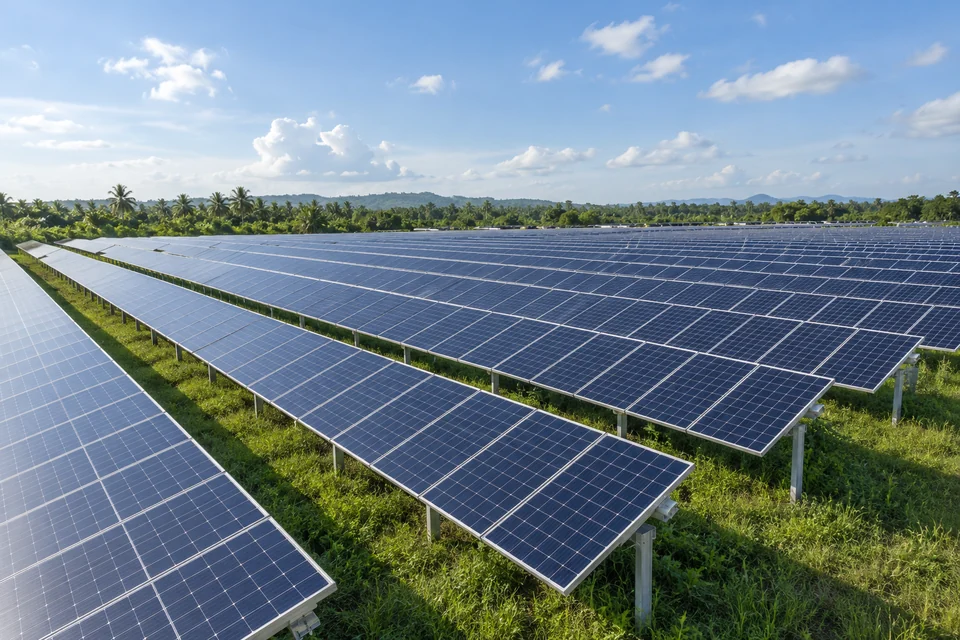
3.2 GWp
Solar PV
Utility-scale solar generation to power the proposed integrated energy system.
Our technology / Project Green
One connected platform, from energy to export.
Project Green brings together power generation, energy storage, hydrogen production and carbon utilisation in a proposed integrated green methanol production and export platform.
Discover the project backgroundProposed platform in Nigeria Indicative design capacities, subject to engineering, financing and approvals.
The technology mix
The Phase 1 platform brings power generation, storage and fuel production together. Hydropower is a future renewable supply option for Phase 2.
Phase 1
3.2 GWp
Utility-scale solar generation to power the proposed integrated energy system.
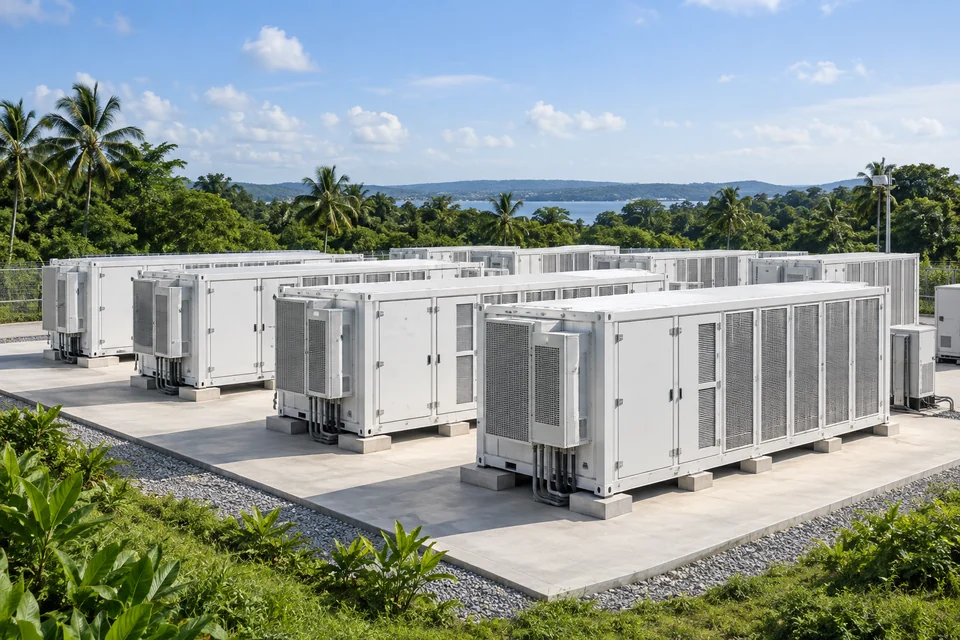
4.4 GWh
Battery storage for grid stability and energy optimisation across the system.
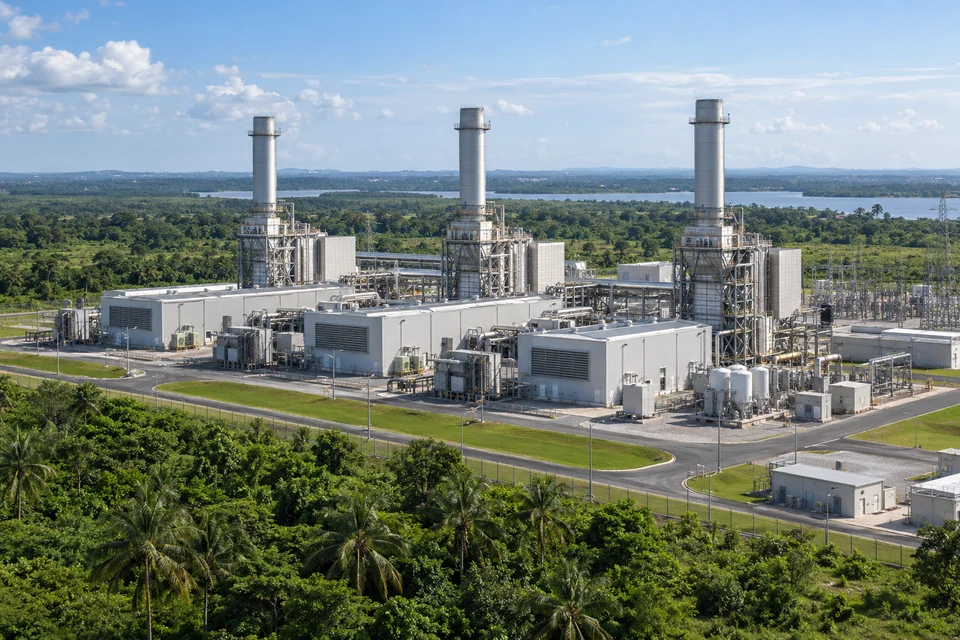
550 MW
Proposed gas generation to support operational flexibility within the energy mix.
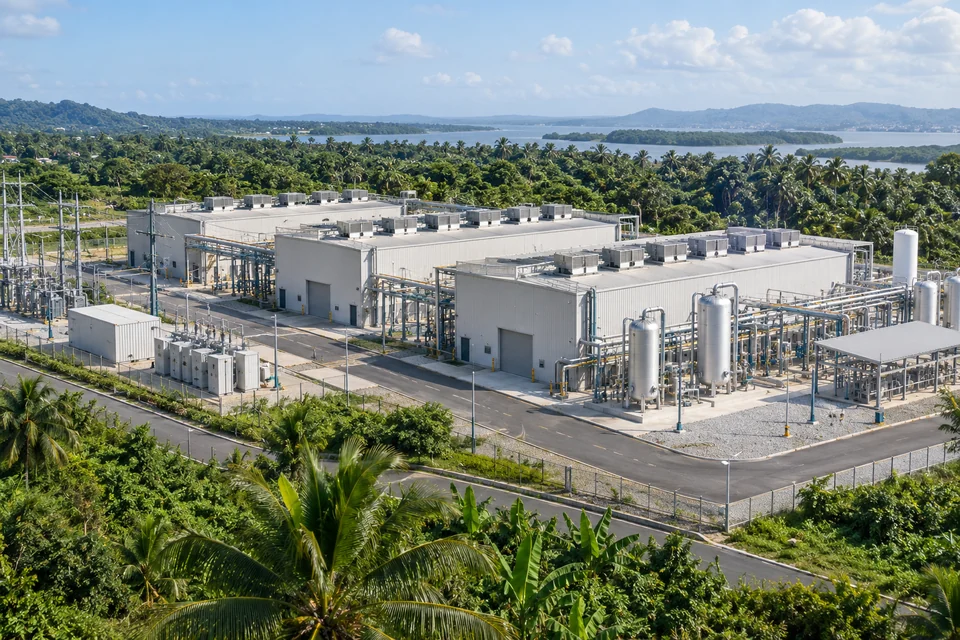
~880 MW
Electrolysis using renewable electricity to produce green hydrogen.
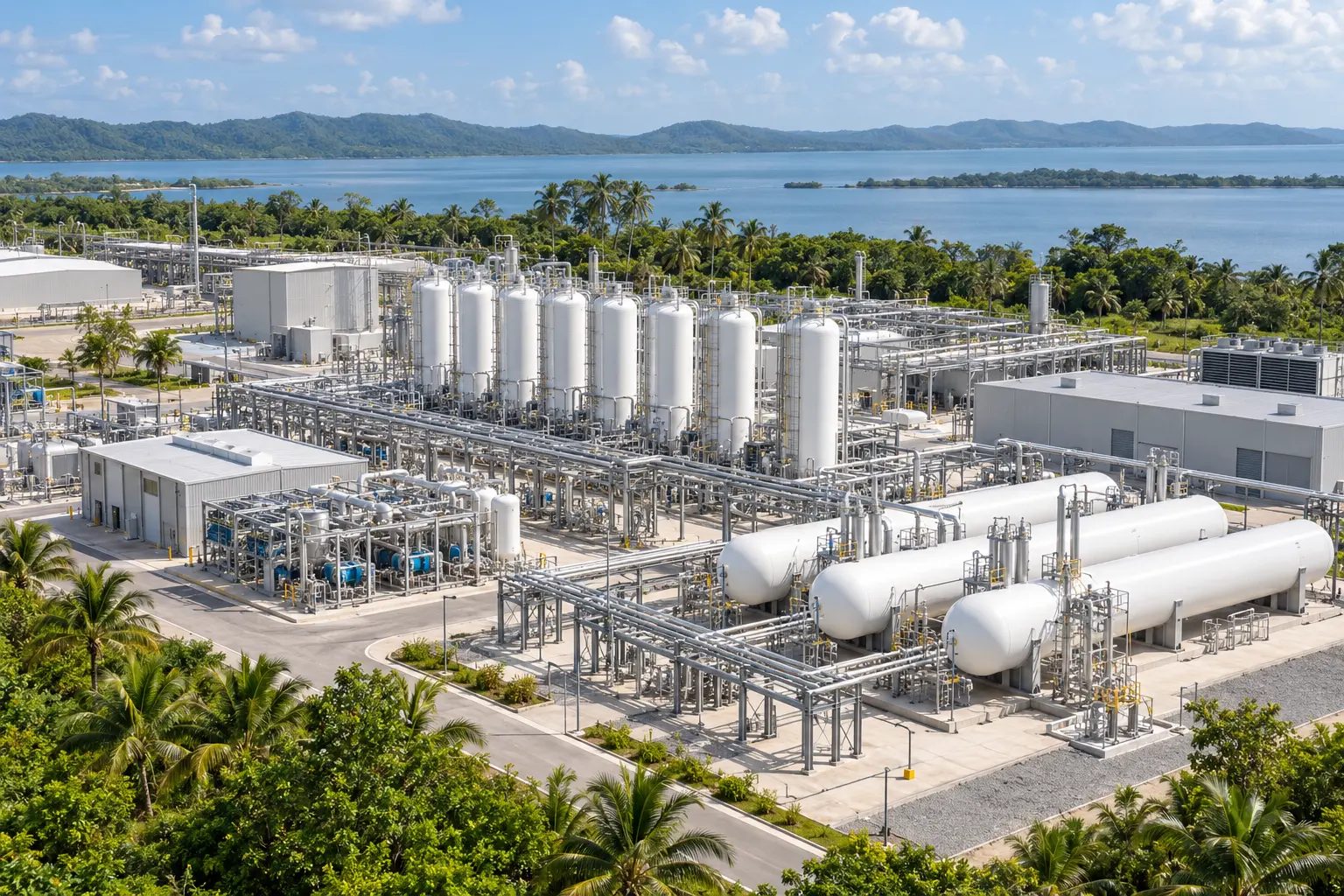
87,608 mt/yr
Proposed annual green hydrogen output for Phase 1, supplying the methanol production platform.
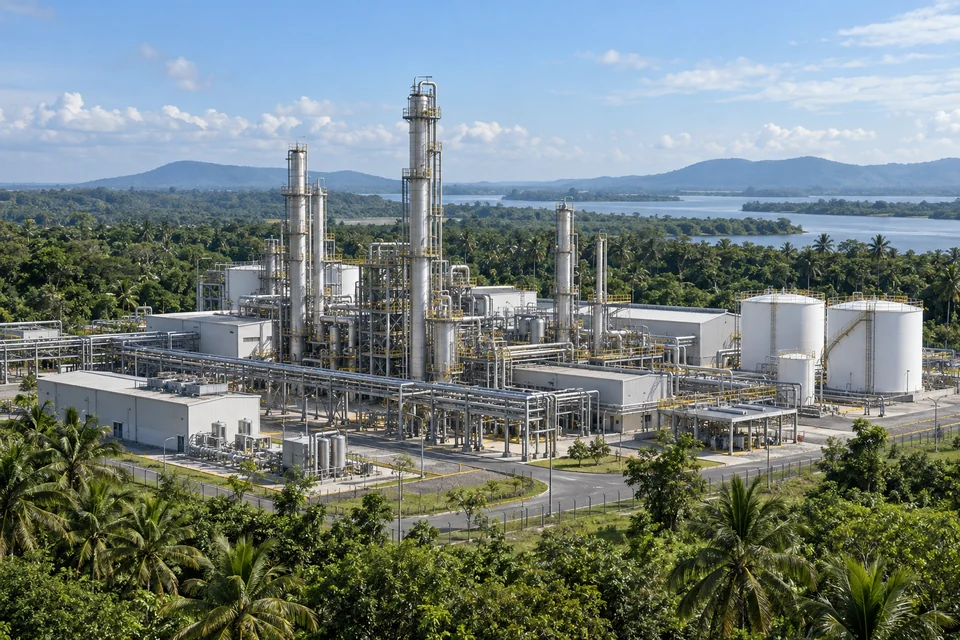
Green methanol
Combines green hydrogen with captured CO₂ to produce green methanol.
Phase 2
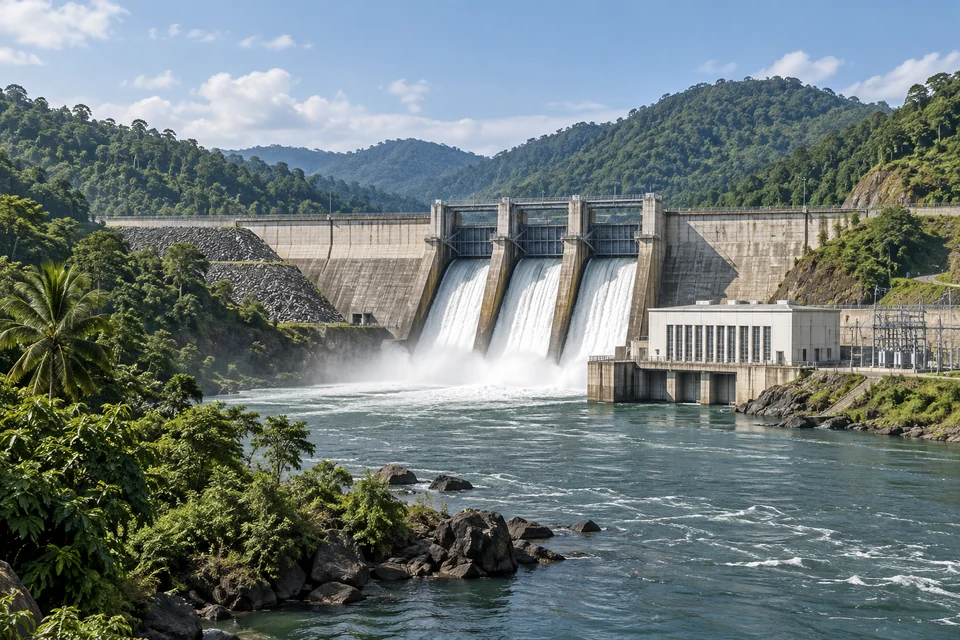
Hydropower
Additional renewable power through a potential power purchase agreement in Phase 2.
These figures describe the proposed design, not installed or operating assets. The final technology mix and capacities remain subject to development.
From power to product
The proposed pathway connects energy generation with hydrogen, methanol synthesis, and the infrastructure needed to reach intended markets.
Solar PV and battery storage form part of the planned energy system. Gas turbines are proposed for flexibility, with hydropower envisaged for Phase 2.
The proposed electrolysis system uses renewable electricity to produce hydrogen for the methanol platform. Power availability and hydrogen production need to be planned together.
Green hydrogen and captured CO₂ are combined at the proposed methanol synthesis stage. Carbon supply, process integration and product requirements are areas for technical review.
Storage and distribution form part of the platform’s connection to domestic and international markets. Logistics and commercial arrangements remain part of project development.
Generation mix, energy balance, carbon sourcing and lifecycle emissions require technical assessment. The proposed system should be considered as a whole.
Development priorities
Integration is central to the concept. Progress depends on understanding how the individual systems work together and how the project can be delivered in phases.
Align power generation and storage with the needs of hydrogen production and methanol synthesis. Operating assumptions and energy balance are key to the design.
The Phase 1 ambition is 429,000 mt/yr of e-methanol, with potential scale-up across Phase 1 + Phase 2 towards 1.2 million mt/yr, subject to development.
Engineering, environmental assessment, approvals, commercial arrangements and financing all inform the path from a proposed platform to delivery.
mt/yr means metric tonnes per year. For projected milestones and proposed locations, see the development roadmap.
A closer look
For technical discussions, commercial enquiries or the latest available project information, connect with the AHFL team.